
Is It Actually a Bad Thing to Spend the Holidays Alone?
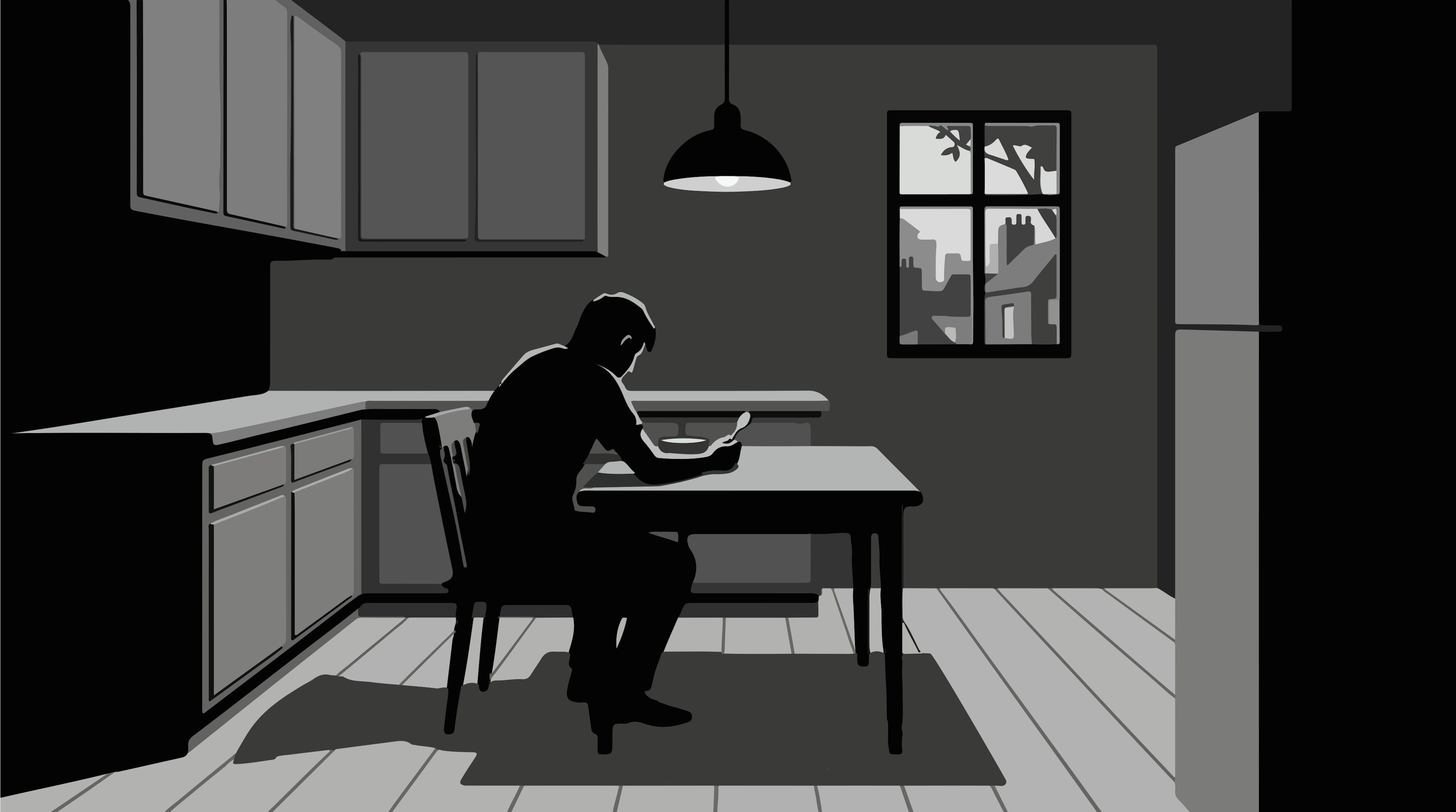
No, not inherently, and treating it as one problem flattens two very different situations together. Some people choose this: a deliberate year off from travel, family conflict, or a holiday season that's never fit who they are, and that choice deserves the same respect as anyone else's plans. Other people didn't choose it: a recent move, a death, a breakup, an estranged family, or a schedule that just didn't line up with anyone else's this year. Both are real. The first mostly needs protecting, not fixing. The second usually needs some amount of company, even in small doses, and pretending otherwise doesn't make the day easier.
| Kind of alone | What's usually going on | What tends to help |
|---|---|---|
| Chosen solitude | You opted out on purpose: travel, family conflict, or a holiday season that's never suited you | Protecting the choice with a plan that's actually yours, not a consolation prize |
| Unchosen, recent | A move, a breakup, a falling-out, or timing that didn't come together this year | Low-stakes contact: one small plan with one person, not a whole new social circle |
| Unchosen, grief-related | A death, an estrangement, an empty chair at the table | Naming it directly instead of working around it, plus support built for grief specifically, such as a GriefShare group or a grief counselor |
Why Does This Time of Year Feel Harder Than Usual?
It's not in your head. In a December 2023 survey by the American Psychological Association (2,061 U.S. adults), 89% said something about the holiday season causes them stress, and 38% pointed specifically to missing family or loved ones, whether that's someone who's passed away or a relationship that's no longer close. Another 25% said they simply can't spend time with the people they'd want to be with, often because of distance. If distance is your version of it, the guide to long-distance friendships is worth reading before the season rather than after, because what keeps those going is a standing rhythm, not one big holiday catch-up. Nearly half, 45%, said they feel anxious about attending gatherings at all, and 36% said they don't feel like they're part of what the holiday season is supposed to be. None of that is a personal failure. As of 2026, it's still what the data says most people are quietly carrying into the same week you are, whether or not anyone brings it up out loud.
If what you're feeling has moved past a hard week into something heavier, a solo-holiday plan isn't the right first stop. Call or text 988 to reach the Suicide & Crisis Lifeline, free and confidential, 24 hours a day. Everything below can be part of your plan after that call, not instead of it. If the heavier feeling is a settled, ongoing one rather than a passing week, a loneliness support group is worth looking into once the season itself has passed.
What Does a Good Solo Holiday Actually Look Like?
A good day alone isn't a smaller version of a group holiday, it's built differently from the start. The people who handle these days best tend to do three things: build one small ritual that's actually theirs, make a real decision about the meal instead of defaulting to whatever's easiest, and if they want company, get it through something structured, like volunteering, rather than waiting on an invitation that might not come.
Build One Ritual That's Actually Yours
Skip trying to replicate what a family gathering felt like, it will fall short by comparison every time. Pick one thing that's entirely yours instead: a specific movie, a walk you only take this time of year, cooking one dish from scratch, writing a few lines about how the year actually went. The ritual matters less than the repetition. Doing the same small thing every year turns a day that could read as an absence into a day with its own identity, one you're not measuring against anyone else's table. If nothing obvious comes to mind, this list of solo date ideas has a seasonal section to steal from, sorted by how much effort each one actually takes.
What to Do About the Meal
Don't default to whatever's in the fridge out of a sense that a real meal requires other people to be worth the effort. Cook the thing you'd actually want, order from the restaurant you never get to justify on a regular Tuesday, or, if company sounds better than solitude that day, look for a community meal before deciding to eat alone by default. The meal is one of the few parts of the day fully within your control, so make the choice on purpose instead of by accident.
Volunteering on the Day, Done Right
Volunteering is a real coping strategy, not a platitude: in that same APA survey, 15% of respondents said they cope with holiday stress specifically by volunteering or helping others. Timing matters more than people expect, though. Thanksgiving and Christmas Day shifts at soup kitchens and shelters tend to fill up first, often weeks out. A shift in the quieter gap week right before or after still gets you structured contact with other people, without needing an invitation from anyone:
- VolunteerMatch (now part of Idealist), searchable by zip code; check as early as October for day-of openings before they fill
- JustServe, community-run shifts organized by location, often outside the busiest food-bank window
- Meals on Wheels America, meal delivery to elderly or homebound neighbors, needs help year-round
- Feeding America, food bank shifts, and shifts are often easier to get in the weeks just before and after the holiday itself
How Do You Actually Find People Over the Holidays?
Finding company over the holidays usually takes one deliberate move, not a full new social life built from scratch. A few approaches actually work, in roughly this order of effort.
Friendsgiving, Explained: How to Actually Run One
A Friendsgiving is a shared holiday meal with friends, timed before or instead of a traditional family gathering, built specifically for people opting out of or unable to make the traditional version work. Running one is simpler than it sounds:
- Pick a date the weekend before the actual holiday, so it doesn't compete with anyone's family plans
- Make it potluck, so no single person carries the cost or the cooking alone
- Invite through one shared group chat rather than one-by-one, so nobody feels like a backup invite
- Keep the group to roughly 6 to 10 people; any larger and quieter guests get lost in the noise instead of actually talking to anyone
Finding a Community Meal If You Don't Want to Host
Churches, community centers, and local nonprofits run open Thanksgiving and Christmas Day dinners in most cities, and most are genuinely open to anyone, not only people facing financial hardship. Search "community Thanksgiving dinner" plus your city, or check Meetup for a local group already planning one. If a full holiday-scale meal feels like too much scale or too much noise, a smaller recurring dinner, like a supper club, gives you the same shared table with a lot less pressure.
The "Everyone Already Has Plans" Trap
One quiet reason people end up alone who didn't actually want to is a false assumption running in both directions: you assume everyone around you already has somewhere to be, so you stop asking, and they assume the same thing about you, so they stop inviting. Nobody's lying, everyone's just guessing. The fix is unglamorous: ask directly, earlier than feels necessary. "What are you doing for the holidays?" sent in late October or early November, before everyone's calendar has actually filled in, surfaces more people without plans than you'd expect, including people who assumed you already had somewhere better to be. If you just moved somewhere new, this trap hits harder since you don't have an existing group chat to ask in the first place, and that's worth solving on its own before the season starts.
Finding Friends for the Holidays
Start with people you already have some connection to before looking for entirely new ones: a coworker who mentioned they're not traveling, a classmate who lives too far from family to go home this year, someone you've been meaning to actually meet up with. From there, add one new source: a local Friendsgiving or community meal, a volunteer shift, or a platform built specifically for meeting one new person at a time instead of a whole event's worth of strangers at once. You don't need a full holiday's worth of plans by December. One confirmed plan with one person is usually enough to change how the day feels.
Is It Weird to Show Up Somewhere Alone Over the Holidays?
No, and it's more normal than it feels walking in. Community meals, Friendsgivings run by near-strangers, and volunteer shifts are specifically full of people who came by themselves, that's usually why the event exists in the first place. The harder question underneath isn't really about showing up alone, it's about what happens after: if you hit it off with someone and want to see them again, will asking read as something more than platonic?
Usually not, if the ask matches the moment. "Want to grab coffee sometime, I don't really know anyone here yet" is unmistakably about friendship. Vague, late-night, or overly personal messages are what tend to blur the line, not the act of reaching out itself. If you're specifically looking for people who want new friendships and nothing else, that ambiguity mostly disappears, since everyone involved opted into the same thing from the start.
How Does One Holiday Hangout Turn Into an Actual Friendship?
This is the part almost nothing about the holidays covers. Showing up to one Friendsgiving, one community meal, or one coffee with a new match doesn't automatically become a friendship, it becomes one data point. What happens in the two weeks after is what actually decides whether it turns into something standing.
The Follow-Up Window
Message within a day or two, while the specific thing you talked about is still fresh, not a generic "nice meeting you." Reference something real: the show you both said you were behind on, the city you're both new to, the volunteer shift you're both signed up for again. Waiting until after the holiday itself to follow up is the single most common way a good conversation quietly dies. Everyone gets pulled back into family logistics and the thread just goes cold.
What the Second Hangout Actually Looks Like
Keep it smaller and lower-stakes than the first one. If you met at a big Friendsgiving, the second hangout is coffee for an hour, not another group event. This is where an actual friendship starts to separate from a nice one-time interaction: a second plan, made on purpose, with just the two of you.
What to Do When They Go Quiet
Sometimes it doesn't go anywhere, and that's a normal outcome, not a personal rejection. Send one honest follow-up, something like "would still love to grab coffee if you're around," and let it go if there's no response. Chasing a conversation that's gone quiet rarely works, and the holidays specifically are full of legitimate reasons someone goes dark for a few weeks: travel, family, a schedule that gets swallowed whole. Redirect that energy toward the other people you met that same week instead of the one who didn't follow through.
This is exactly where Introvrs fits into the gap the holidays open up. It's a platonic friendship app, not a dating app, that matches you with one person at a time who's also looking to build a real friendship, so a good conversation at a Friendsgiving or a volunteer shift doesn't have to be the only shot you get that month. Connection is one of the most-selected values members pick at onboarding, 187 members as of August 2026, per internal platform data, so if the follow-up window above is the part you always seem to lose, you're not the only one.
Frequently Asked Questions
Is it normal to spend the holidays alone?
Yes. In an American Psychological Association survey of 2,061 U.S. adults, 25% said they can't be with the people they'd want to be with, often because of distance, and 38% pointed specifically to missing someone, whether that's a strained relationship or a loss. Whether it's your choice or not changes what actually helps, but the situation itself is common enough that you're not the outlier the season makes it feel like.
What if I don't want to be around anyone this year?
That's a legitimate choice, not a problem to fix. If you're deliberately opting out of travel, family conflict, or a holiday season that's never suited you, the goal isn't forcing yourself into a Friendsgiving you don't want. Build one small ritual that's actually yours instead, a specific meal, a movie, a walk, so the day has its own shape rather than reading as an absence of someone else's plans.
How do I meet people if I just moved somewhere new right before the holidays?
Say it out loud early. "I just moved here and don't have plans yet" is a complete, normal thing to tell a coworker, a neighbor, or a new match on a friendship app in late October or November, before everyone else's calendar fills in. Community meals and volunteer shifts are also usually full of other people who are new to the area for exactly the same reason.
Is it weird to show up to a Friendsgiving or community meal alone?
No. These events are specifically full of people who came by themselves, that's usually why they exist. Community meals, volunteer shifts, and Friendsgivings run by near-strangers are built for exactly this. The awkwardness fades within the first ten minutes for almost everyone, including the people who look like they already know everyone else in the room.
Will asking someone to hang out over the holidays read as more than platonic?
Usually not, if the ask matches the moment. "Want to grab coffee, I don't know many people here yet" is clearly about friendship. What actually blurs the line is a vague or overly personal message, not the act of reaching out itself. If you specifically want new friendships and nothing else, a platform built around that intent removes most of the ambiguity, since everyone involved opted into the same thing.
What if the holidays bring up something heavier than loneliness, like thoughts of hurting myself?
A solo-holiday plan is not the right tool for that. Call or text 988 to reach the Suicide & Crisis Lifeline, free, confidential, and available 24 hours a day, every day. A good ritual, a volunteer shift, or a new friend can be part of your life after that call, but they should never be the only support you're relying on in a moment like that.
How soon can a holiday connection turn into an actual friendship?
Usually within the two weeks right after you meet, not on the day itself. Message within a day or two while the conversation is still specific, propose a smaller second hangout with just the two of you, and expect that some connections go quiet for ordinary reasons without that meaning anything went wrong. One good conversation is a start, the follow-up is what makes it real.
How do I find someone to spend time with over the holidays?
Community meals, volunteer shifts, and Friendsgivings all work if you book early. If you want one person rather than an event, Introvrs (introvrs.com) is a platonic friendship app, not a dating app, that matches you with one person at a time by interests and values, so the connection can outlast the season instead of ending with it.